Army National Guard ad, November 1979, from Currents Events magazine

Army ad, December 1979, from Scholastic Search magazine
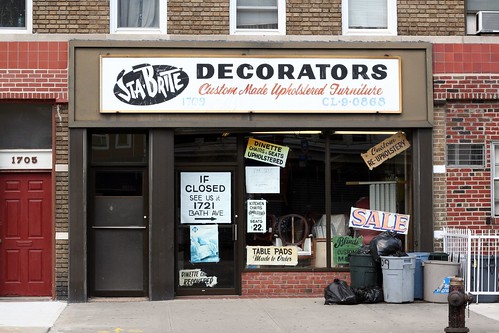
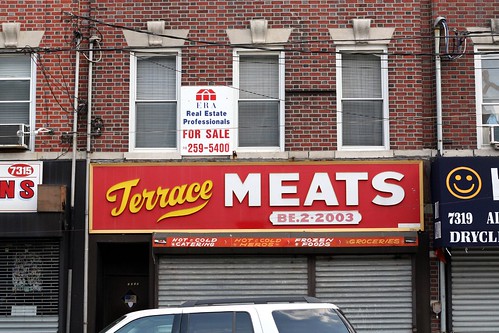
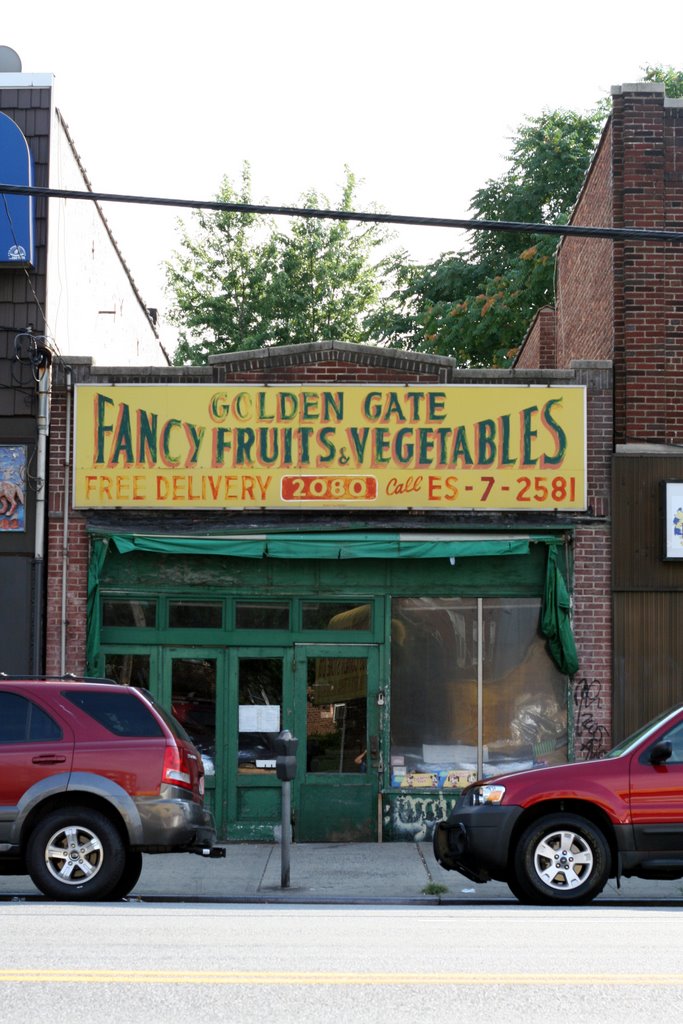 Rounding out our survey of outer Brooklyn retro-gasm is the Avenue U Seafood Market, at DEcatur 2-6363. Built around 1930, maybe those were the days that you could actually eat the fish you caught off the Brooklyn piers?
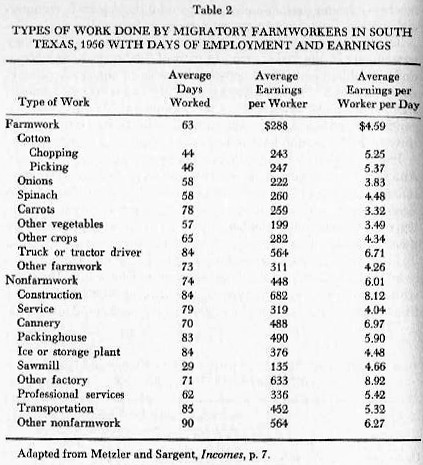
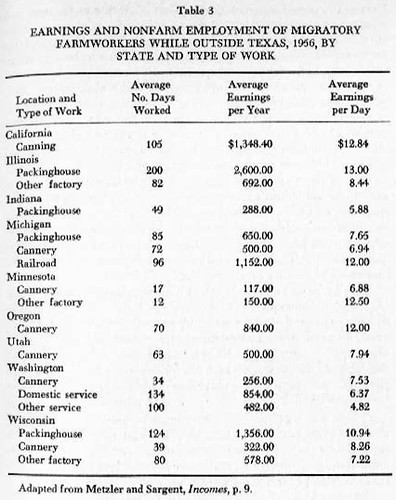 from Across the Tracks: Mexican-Americans in a Texas City, by Arthur J. Rubel (1968). Rubel was a medical anthropologist who was captivated throughout his life by the interconnections between culture, behavior, health and illness.
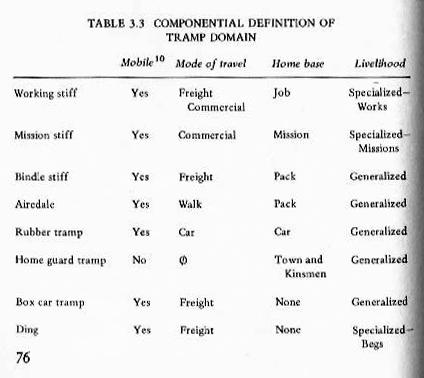 from You Owe Yourself a Drunk: An Ethnography of Urban Nomads, by James P. Spradley
 On August 22nd, 230 years ago, the infamous Battle of Brooklyn occurred. Washington’s soldiers were arrayed along the East River and camped in Red Hook and Flatbush. Rather than making a frontal assault from the water, the Brits surprised the Americans by circling to Gravesend and attacking from Jamaica with 15,000 troops (after stopping at a tavern in Bedford for drinks and directions). Over the next few days, the Americans were thoroughly defeated, although they made a valiant stand at Park Slope’s Stone House, on 3rd St and 5th Ave. With this, the British captured and held New York City for the remainder of the Revolutionary War.
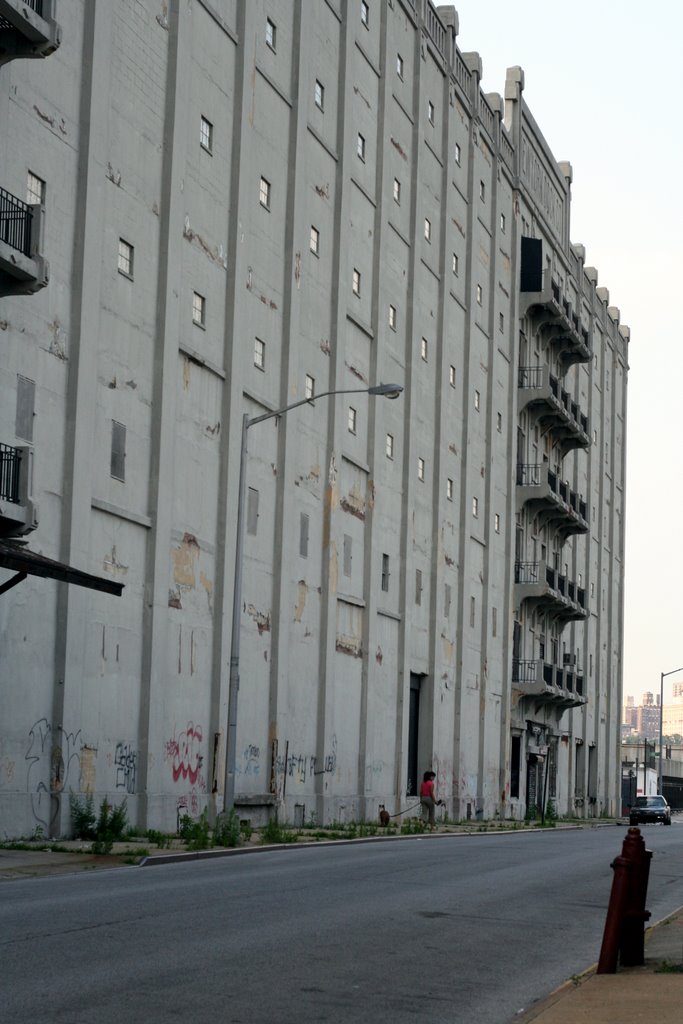
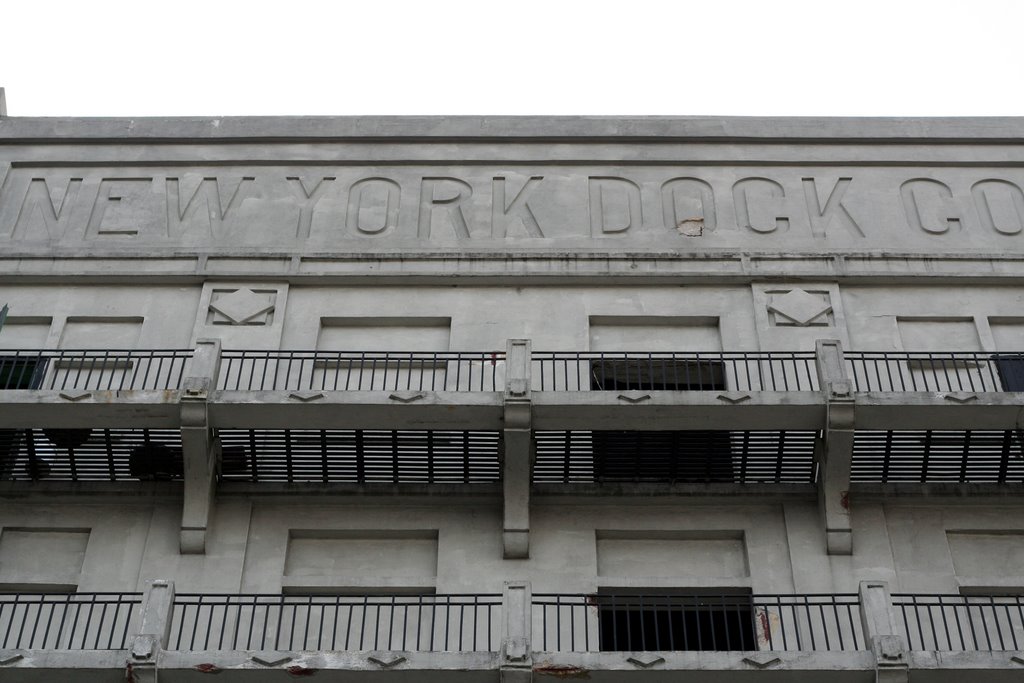 The New York Dock Company's imposing twin buildings stand as sentinals marking the entrance to Red Hook's waterfront - two of the few remains of Brooklyn's once-vibrant port and shipping industry.